Thursday, October 31, 2013

What Tows You?


There are many different styles of boats. There are pontoon boats, walk around, yachts, and many more. Do you know what makes a regular power boat a ski/wakeboard boat? We will go over what extras make a boat a ski/wakeboarding boat and also the difference between the ski and wakeboard boats. 

Ski/Wakeboard boats have an inboard propulsion motors which deliver power to the rider on the water. That power translates into speed that the can be used to make tricks and land jumps. Even though ski boats and wakeboard boats look similar, the riders have opposing goals that they require from their boats.

As a waterskier, acceleration and as little wake as possible is what you find important in a tow boat. What gives the skier the ride they are looking for, is what goes on underneath the water. The shape of the hull and the placement and configuration of the engine, drive shaft and propellers is what cause the inboard ski boats to have very little wake.

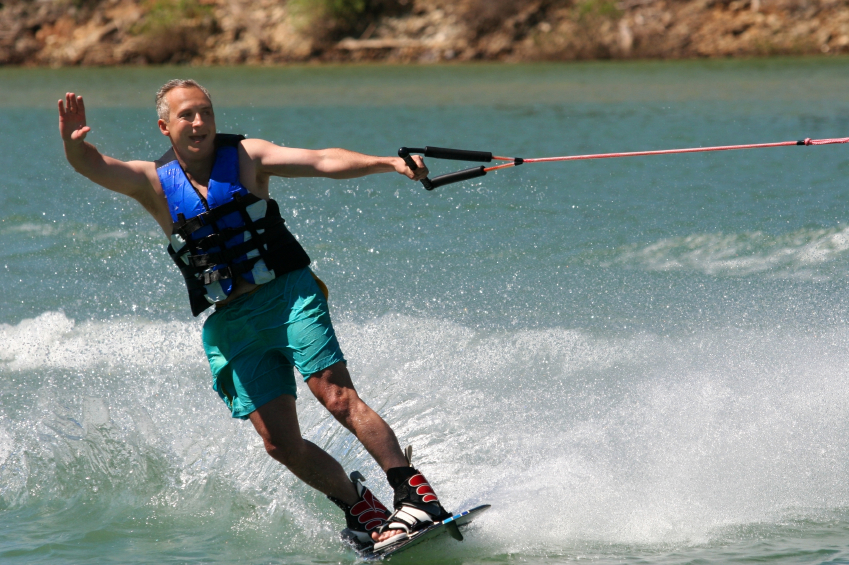
A wakeboarder on the other hand wants as big a wake as possible to catch massive air as while you cross from right to left following behind the boat. How do they get the big wake? The wide, deep hull and the V-drive engines set close to the transom allow the boat to carve steep wakes.

You can turn any power boat into a ski/wakeboarding boat, but you to get the most out of your watersport experience you should have a boat that was built for your specific enjoyment. Now we want to know. What tows you on the water?

Saturday, August 31, 2013

Boating Safety Tips


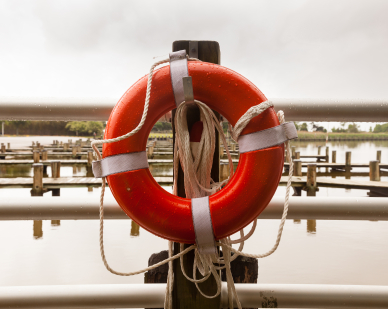
Boating safety is something that we all need to know about and practice. Being out on the water is a guaranteed great time, but you also need to remember these safety tips to keep it from turning disastrous.

Know the Weather

This starts before you even leave your house. Keep eyes on the forecast starting a week out. If they are calling for bad weather you should not risk being caught in the storm. Reschedule your trip.

Have a Pre-Departure Checklist

Following a pre-departure checklist is the easiest way to make sure that you do not forget any safety rules or regulations. A check list consists of things like is everyone wearing their life vest, Do you have everything stowed correctly. During this pre-departure time, designate an asst. skipper, someone who can take over piloting the boat if something were to happen to you.

Develop a Float Plan

Developing a float plan is an important part of boating safety, and sadly one that is usually forgotten. A float plan consists of things like the registration information for your boat, the names and contact information for all parties on boat, and the literary for the day.

Always Use Your Life Jackets

Wearing your life jacket is the easiest way to stay safe on the water. You have to wear it for you to be able to benefit in the event of an accident. Having it within reach is not good enough.

Knowledge Is Power

Taking a Boating Safety course will give you the ins and outs of boating and how to keep you safe on the water. There are other things you can learn to keep safe on the water. One of those things would be learning to swim. If you are going to be in and around water, learning to swim could save your life.

As you can see there are simple ways of keeping yourself and your family safe on the water. The most important thing to remember is to just use your common sense. Do you want more safety tips for when you are boating? Click here.

Wednesday, July 31, 2013

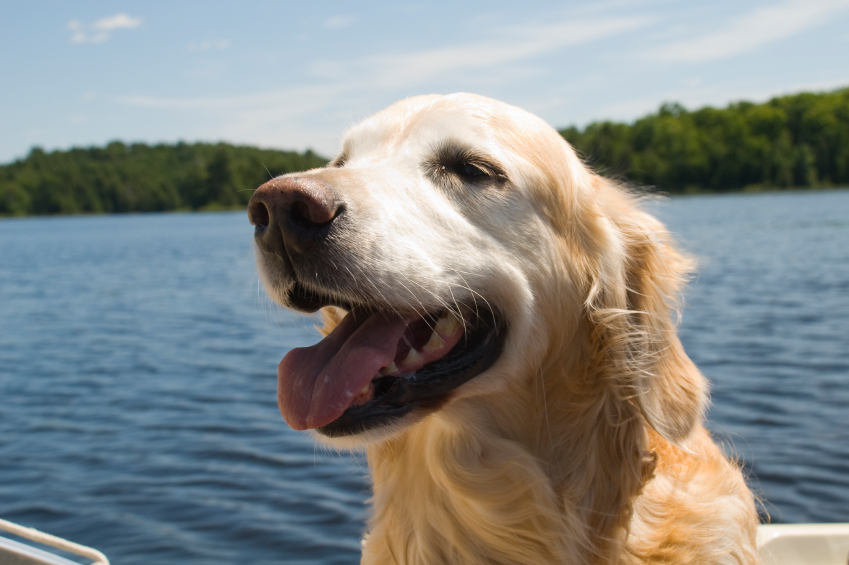
Taking Your Dog On The Water


Headed to the water with your pooch for the first time. Not sure if he is going to love the water like you or not really be into it? Just remember to take it slow and everything will be just fine.

On the way to the boat, you will want to stop off and get a doggy life jacket that fits him appropriatly.  He is family right? So make sure he is protected if he goes overboard. It might even be a good idea to have a special dog tag made that has your boating info on it like name of boat, name of marina, slip number, and your cell phone. If something where to happen, he could be returned to you.

Once you get your dog to the boat, remember to take it slow. Don’t just put your dog on board and head out. Give him a little while to get himself adjusted to the boat. Let him sniff around and get get used to how it feels walking on the water. Once you feel that he is ready, try taking the boat out on a short trip.

Keep an eye on your pup throughout the day making sure that he has enough water and isn’t getting too much sun. Yes, dogs can get sunburn too. Keep refilling his bowl with cool water and keep applying that doggy sunscreen. If you are planning on being on your boat for more than a couple of hours, then you will need to figure out the bathroom situation for your dog. Make sure you always pick up after him no matter what.

Most dogs love boating, but some do not. Do not be discouraged if at first your dog seems to not be enjoying himself, give it time. He may come around.

Sunday, June 30, 2013

Anchoring Your Boat


Imagine this, you have just spent a few hours cruising around on your boat with your friends and you find this awesome spot that you would like to go swimming. How are you going to keep your boat from floating away while you are enjoying yourself in the water? An anchor. We will discuss the proper way to drop anchor to keep you, your friends, and your boat safe.

The very first thing to remember when dropping anchor should be done before you even leave the dock. You need to made sure that you have the appropriate anchor onboard. The type of anchor has little to do with the type of boat and more to do with the condition of the water. If you are going to be in a part of the lake with mud and sand, then a pivoting fluke anchor is what you would want. If you are going to be in rocks weeds or even sand the plow anchor would be your best bet.

The next step in preparing to anchor is attaching the anchor to the boat. You will want to have three to six feet of galvanized steel chain attached directly to the anchor (This stands up better to the abrasion of sand, rock or mud then a fully nylon rode.) Then you will want to attach the nylon rope for the remainder of the length that you will need. Not sure how much rode you will need? You will need 5-8 times the depth of the water in length. 5 times for day anchoring, 8 times for night anchoring. 

Finally we can get out and find that perfect spot to drop anchor. A couple of things to keep in mind while picking your perfect spot, make sure that you are not going to be in the way of any traffic. You will also want to find a spot that offers protection from the wind and currents.

Once you find your spot try to get an accurate depth of the water so that you can prepare the length of your rode. Secure the anchor line to the bow of the ship where you would like it to stop. Now, turn your boat so that the bow is facing into the wind or current and pop the engine into neutral. Once the boat has stopped moving, slowly drop your anchor. When your anchor hits the bottom idly reverse with your engine to help and set the anchor.

Now that you have anchored your ship, make sure to take a look at your surrounding. Keep track of the landmarks that you see to ensure that your boat is not drifting. As you can see, anchoring is a simple task as long as you follow these guidelines. Tell us, where are you going to go drop anchor?

Tuesday, June 4, 2013

Zebra Mussels

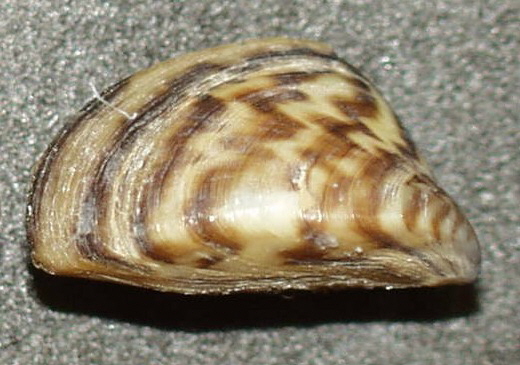
One of the biggest concerns that we have on Lake Minnetonka is Zebra Mussels. These creatures, who were originally from rivers in Russia, have now been introduced to our waterways here in North America. They are becoming a big problem for us here in Lake Minnetonka. The discovery of Zebra Mussels was in 2010 and since then have now been found on all 125 miles of shoreline.


These fingernail sized mussels are an annoyance for those people who live, work, and play on the lake. The mussels are known for their razor sharp shells that will cut into the bottom of your foot. The other hassle that they are causing is they attach to things. Things like intake hoses to water your lawn, or pipes that draw water out of the lake to fill fire hydrants. 

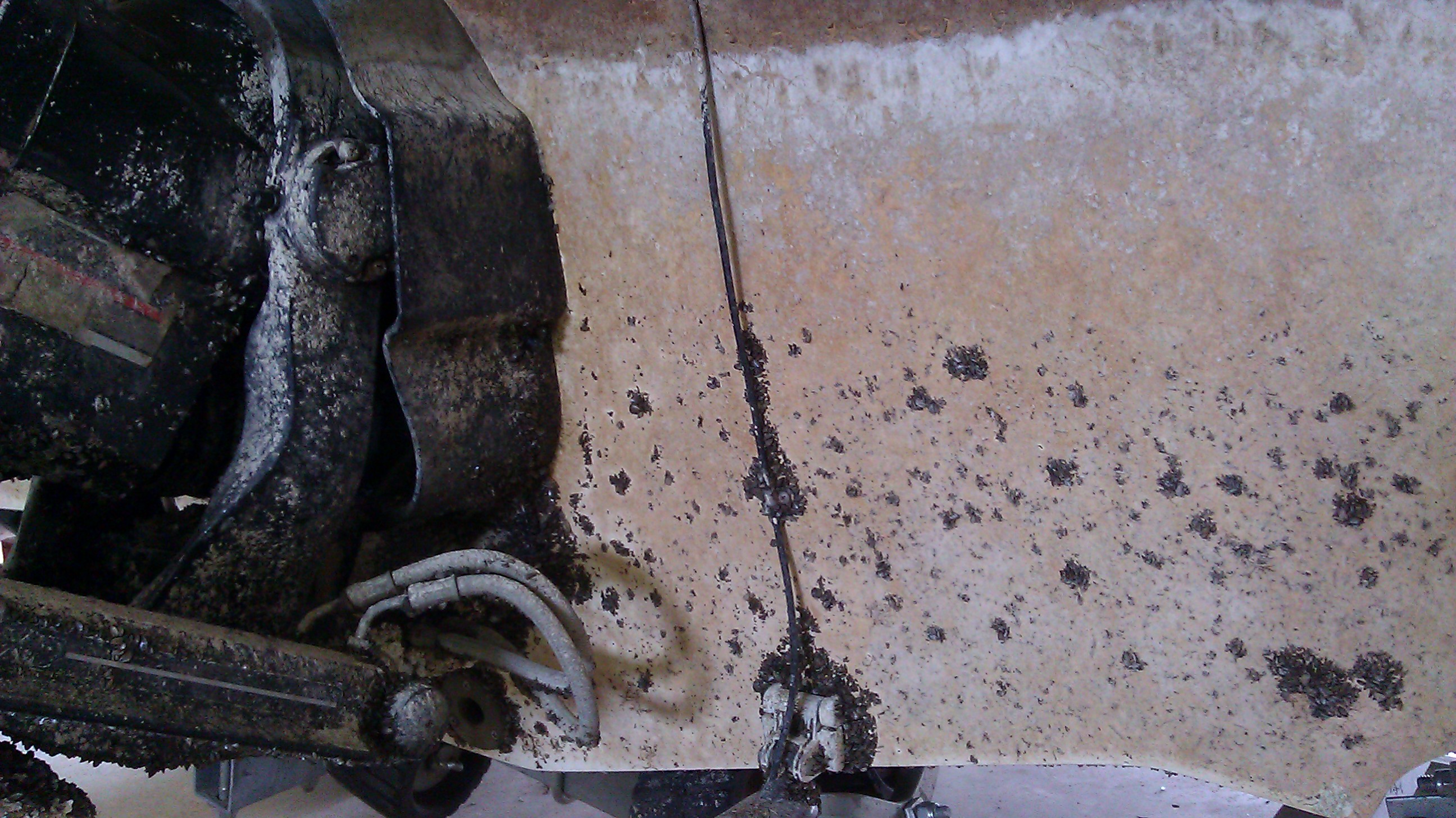
When they attach, you can't just swat them off. They have a group of strong filaments coming out of their shells that allow them to more strongly attach to anything that they desire. Once one layer attaches, then another layer forms over top. The layers can keep building to fully block an intake pipe. To remove them, a team of divers must go down and scrape away at them with metal brushes. 


They can also do damage to your boat if they are left alone to colonize on the bottom. It is become such a problem that the DNR has officers at boat launching ramps inspecting boats going in the water. If you boat is found to have Zebra Mussels, you could be slapped with a a $500 fine. Save your time and your money, we are a certified decontamination center. Call us and let us help you remove the mussels.

Wednesday, May 8, 2013

Welcome to the Water on National Marina Day

As part of a nationwide observance, Mobile Marine Services is celebrating Welcome to the Water on National Marina Day on June 8, 2013.

“Welcome to the Water on National Marina Day is a celebration of boating,” said Mobile Marine Services “As families search for fun outdoor activities that everyone can enjoy we want to encourage them to give boating a try. Existing boaters are always ready to celebrate with a day on the water, but on this day we ask them to bring a non-boater out to share the experience."

"Now, more than ever, Americans need outdoor, safe, family-friendly ways to spend their leisure time. Welcome to the Water on National Marina Day introduces boating as just such an activity and reminds our existing customers and our community that Mobile Marine Services is a local, environmentally-friendly,
gateway to on-the-water fun."

Welcome to the Water on National Marina Day is produced by the Association of Marina Industries, and Discover Boating. For more information visit: www.nationalmarinaday.org.